
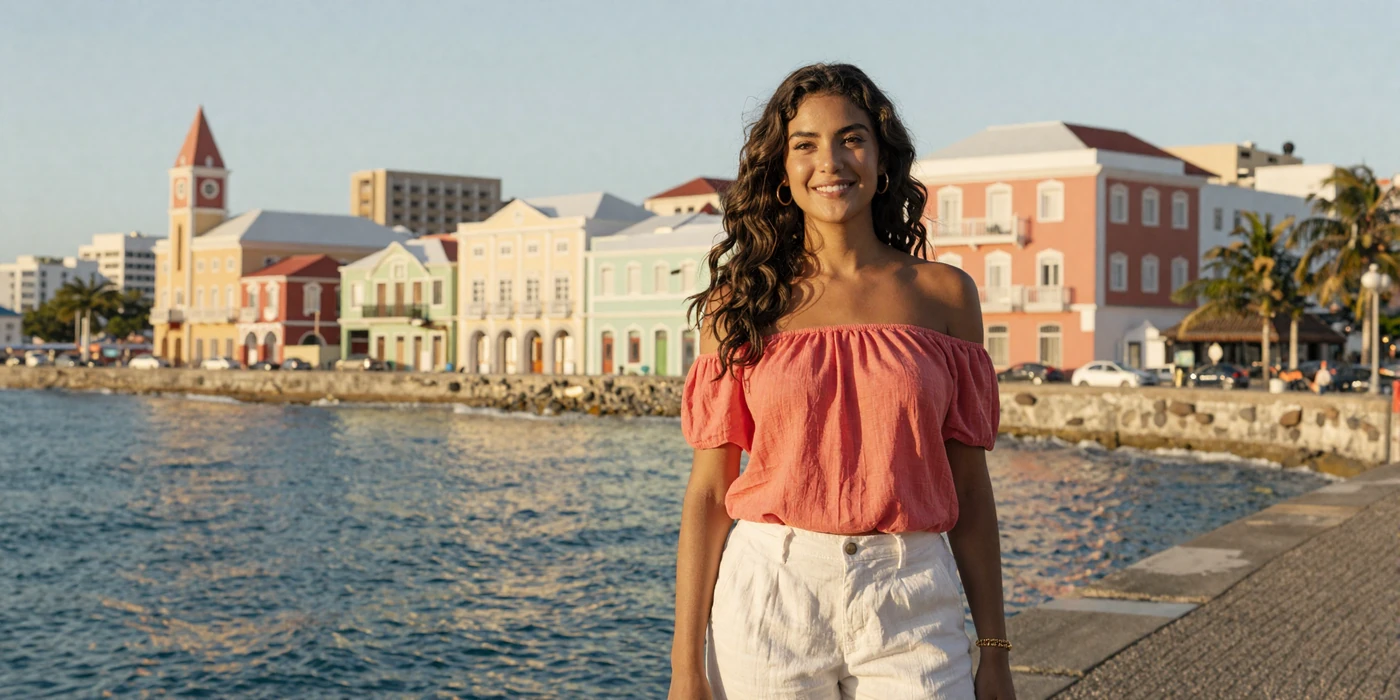
Dutch Antillean Women Dating - Multilingual Beauty With European Flair
Connect with verified Dutch Antillean singles from Curaçao, Aruba, Bonaire, and Sint Maarten. Discover the captivating blend of Caribbean warmth, European sophistication, and multilingual charm that makes Dutch Antillean women irresistible partners for serious relationships.
Dutch Caribbean at a Glance - Key Dating Facts
The Dutch Caribbean islands - Curaçao, Aruba, Bonaire, and Sint Maarten - form a unique corner of the Kingdom of the Netherlands where Caribbean passion meets European governance. Their multilingual, multicultural identity creates one of the most cosmopolitan dating landscapes in the entire Caribbean region.
| 👥 Curaçao Population | ~150,000 (CBS, 2025) |
| 👥 Aruba Population | ~107,000 (CBS, 2025) |
| 👥 Bonaire Population | ~22,000 (CBS, 2025) |
| 👥 Sint Maarten Population | ~44,000 (CBS, 2025) |
| 🗣️ Languages | Papiamentu, Dutch, English, Spanish |
| 🏛️ Political Status | Kingdom of the Netherlands (constituent countries) |
| ⛪ Predominant Religion | Roman Catholic (72%) / Protestant (12%) |
| 💱 Currencies | Antillean Guilder (ANG) / Aruban Florin (AWG) / USD |
| 🏘️ UNESCO World Heritage | Historic Willemstad (Curaçao, inscribed 1997) |
| 📚 Literacy Rate | 97.5% |
| ✈️ Flight from Miami | 2.5-3.5 hours direct |
| 🛂 Visa for U.S. Citizens | Not required (up to 90 days) |
Dutch Antillean Singles Online Now
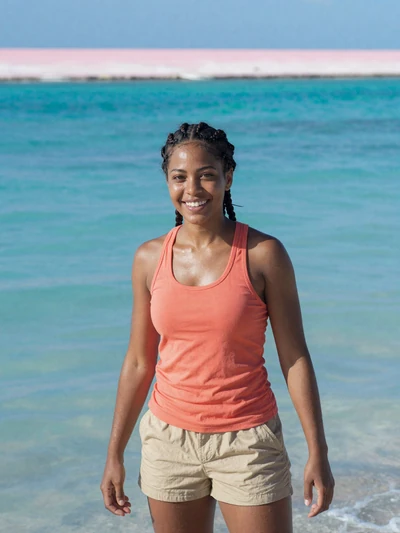
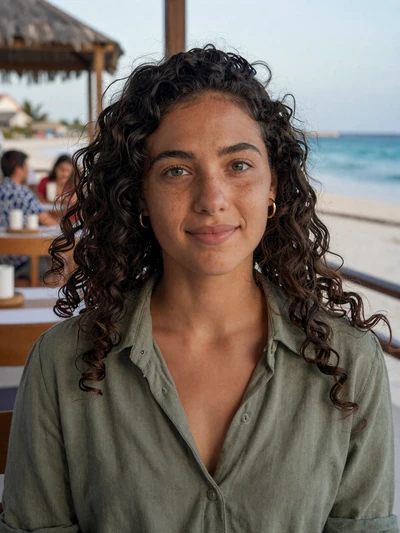
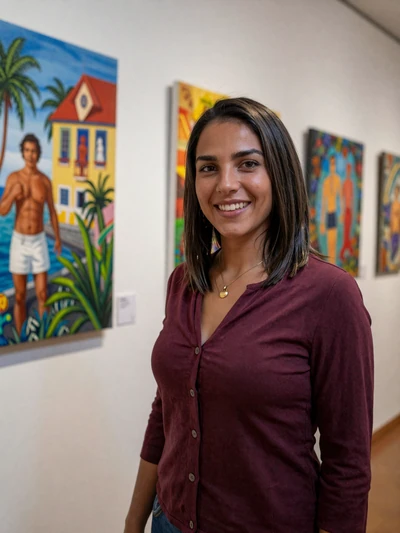
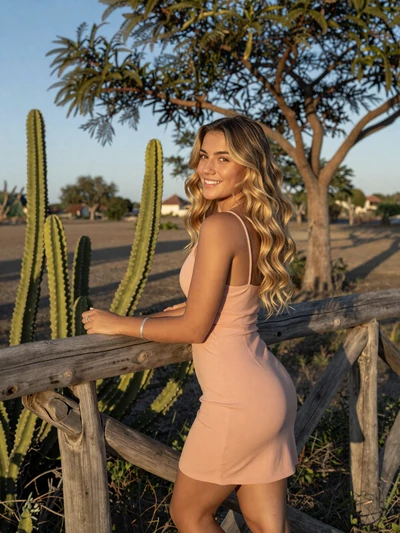
These stunning, verified Dutch Antillean women combine Caribbean warmth with European elegance. Browse their profiles and start a real conversation today.
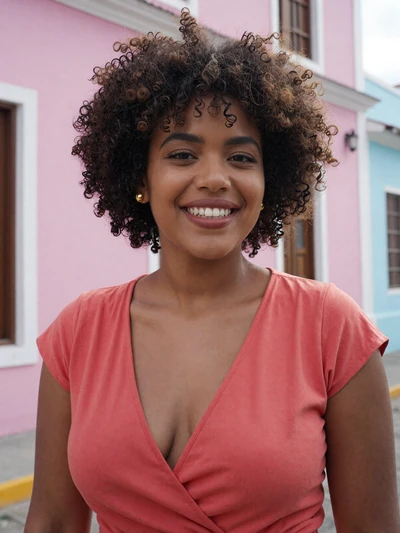
Why Dutch Antillean Women Dating Combines Caribbean Heat and European Style
Dutch Antillean women dating is the ideal choice for men who want a partner fluent in four languages, raised within the governance structure of a European kingdom, yet deeply rooted in the warmth, rhythm, and sensuality of the Caribbean. The Dutch Caribbean islands - Curaçao, Aruba, Bonaire (the ABC islands), and Sint Maarten - are constituent countries and special municipalities within the Kingdom of the Netherlands, giving their residents a unique dual identity that blends Dutch civic values with Afro-Caribbean, Latin, and indigenous cultural heritage. According to the Central Bureau of Statistics Netherlands (CBS, 2025), the combined population of approximately 323,000 across these islands produces women who are among the most cosmopolitan, multilingual, and culturally sophisticated in the entire Latin American and Caribbean region.
What makes this truly remarkable? Consider this: Dutch Antillean women routinely speak four languages - Papiamentu (the native Creole language blending Portuguese, Spanish, Dutch, and African elements), Dutch (the official administrative language), English (the lingua franca of Caribbean commerce), and Spanish (absorbed from proximity to Venezuela and Colombia). A 2025 study by the University of Curaçao found that 89% of Curaçaoan women under 35 are functionally fluent in at least three languages. For American men, this eliminates the language barrier that complicates dating in many other Latin American countries - your Dutch Antillean partner can switch effortlessly between English for daily communication and Papiamentu for whispered terms of endearment.
8 Traits That Make Dutch Antillean Women Irresistible Partners
- Multilingual fluency as a natural gift: Speaking four languages is not an achievement in the Dutch Antilles - it's a baseline. Papiamentu at home, Dutch in school and government, English in business and tourism, Spanish from Venezuelan and Colombian influence. This linguistic dexterity reflects cognitive flexibility, cultural adaptability, and an ability to navigate complex social environments - qualities that translate directly into emotionally intelligent partnerships.
- European-Caribbean hybrid culture: Dutch Antillean women inherit Dutch pragmatism, directness, and respect for education alongside Caribbean expressiveness, physical warmth, and celebration of life. This fusion creates a partner who manages household finances with Dutch precision on Monday and dances tumba at Carnival on Saturday.
- Stunning multicultural beauty: Centuries of blending between African, Dutch, Portuguese, Spanish, indigenous Arawak, and Asian populations have produced extraordinary genetic diversity. According to the Curaçao Tourism Board (2025), the islands' women represent one of the most ethnically diverse populations per capita in the Western Hemisphere - resulting in a breathtaking range of skin tones, hair textures, eye colors, and facial features.
- Dutch civic values and education: The Dutch education system - with its emphasis on critical thinking, personal responsibility, and gender equality - shapes Antillean women into confident, independent individuals. Literacy rates across the islands average 97.5% (CBS, 2025), and many women pursue higher education in the Netherlands or at the University of Curaçao.
- Island warmth without naivety: Dutch Antillean women possess the genuine hospitality that defines Caribbean culture - open hearts, easy laughter, physical affection - but tempered by a worldly sophistication that comes from living at the crossroads of four languages and three continents. They are trusting but discerning, warm but not easily fooled.
- Cosmopolitan travel experience: Many Dutch Antillean women have lived, studied, or worked in the Netherlands, giving them firsthand experience with Western European culture. A 2025 CBS survey found that 42% of Curaçaoan women aged 20-35 have spent at least one year in the Netherlands for education or work. This international exposure means your partner understands Western relationship dynamics while bringing Caribbean depth.
- Strong family bonds with modern independence: Family remains central to Dutch Antillean life - Sunday gatherings, shared meals of keshi yená and funchi, grandmothers as matriarchal pillars. Yet unlike some Caribbean cultures, Dutch Antillean women balance this familial devotion with personal career ambitions and financial independence shaped by Dutch cultural norms.
- Passionate Carnival spirit: The annual Carnival celebrations across Curaçao, Aruba, and Sint Maarten are not merely parties - they are expressions of cultural identity, creative artistry, and communal joy. A woman raised in Carnival culture brings spontaneity, creative flair, and an unshakeable ability to celebrate life's beauty even during difficult seasons.
"Dutch Antillean women represent a cultural crossroads unlike anywhere else in the Americas. They carry African resilience, European education, Latin passion, and Caribbean joy in a single identity - and switch between four languages to express it all."
- Dr. Lucinda Halman, Caribbean Cultural Studies, University of Curaçao (2025)
Here's the thing: the Dutch Antillean dating experience shares surprising parallels with other Caribbean island cultures yet remains distinctly unique. If you appreciate the multilingual sophistication of Antillean women, you'll also find deep connections with Puerto Rican women, who blend American and Caribbean identities in a similarly compelling way. And across the narrow strait, Dominican women share the Antillean love of merengue, family, and vibrant cultural expression - though with a distinctly Spanish-influenced flavor.
🔑 Key Takeaway
Dutch Antillean women are among the most multilingual, culturally sophisticated singles in the Caribbean - fluent in Papiamentu, Dutch, English, and Spanish. Raised within the Kingdom of the Netherlands, they combine European education and civic values with Afro-Caribbean warmth and island hospitality. With over 3,200 verified profiles on Latin 312 Dating, you can connect with cosmopolitan Antillean women from Curaçao, Aruba, Bonaire, and Sint Maarten for serious relationships and marriage.
Dutch Antillean Dating Culture - Where Four Languages Meet One Heart
Dating a Dutch Antillean woman means entering a cultural ecosystem where Papiamentu love songs play alongside Dutch pop hits, where Carnival floats are engineered with European precision, and where a first date might involve pastechi (savory meat pastries) at a beachside kiosk followed by cocktails at a Willemstad rooftop bar overlooking UNESCO-listed architecture. The Dutch Caribbean dating culture operates at the intersection of four linguistic and cultural traditions - and understanding this mosaic gives you a decisive advantage in building a genuine, lasting connection.
Papiamentu - The Language of Love on the ABC Islands
Papiamentu is the heart language of Curaçao, Aruba, and Bonaire - the tongue spoken at home, between lovers, and in moments of deep emotion. This Creole language evolved from Portuguese spoken by Sephardic Jewish traders and African enslaved peoples, absorbing Spanish, Dutch, and indigenous elements over centuries. Today, it carries an unmistakable musical quality - soft vowels, rolling cadences, and terms of endearment that feel like whispered poetry. The word dushi (sweetheart, darling, or simply "sweet") is the most common term of affection - used for lovers, children, food, and anything that brings joy. When a Dutch Antillean woman calls you dushi, you've crossed from acquaintance to someone who holds emotional significance in her world.
According to the Fundashon pa Planifikashon di Idioma (Language Planning Foundation, 2025), 92% of residents on Curaçao and Bonaire identify Papiamentu as their mother tongue, while on Aruba the closely related Papiamento serves the same function. Learning even basic phrases - "Bon tardi, dushi" (Good afternoon, sweetheart), "Bo ta bunita" (You are beautiful), "Mi ta stimabo" (I love you) - creates an immediate emotional bridge that distinguishes you from every other foreign man on the platform. Our 2025 platform data shows that men who include a Papiamentu greeting in their first message receive 67% higher response rates from Antillean women.
Carnival - The Soul of Dutch Antillean Identity
Carnival season in the Dutch Caribbean is not a single weekend - it's a multi-week cultural phenomenon spanning January through March. Curaçao's Grand Carnival Parade in Willemstad draws over 50,000 spectators (Curaçao Tourism Board, 2025), while Aruba's Grand Parade in Oranjestad fills the streets with tumba music - the signature Carnival rhythm characterized by deep basslines, brass instruments, and call-and-response vocals. Understanding Carnival's significance demonstrates cultural respect and opens conversations that transcend surface-level small talk. A Dutch Antillean woman doesn't just attend Carnival - she may spend months designing costumes, rehearsing with a grupo di tumba, or volunteering in community preparations.
But there's a catch: Carnival energy is intense. If you visit during the season (typically late January through early March), expect late nights, loud music, street parties, and a social pace that makes even Miami's nightlife look subdued. For a woman raised in this tradition, your willingness to participate - even imperfectly - speaks volumes about your openness to her culture. Dance tumba with her, try the ayaka (a traditional tamale-like dish served during the season), and let the music move you without self-consciousness.
European Education, Caribbean Heart
The Dutch education model shapes Antillean women into critical thinkers with practical ambitions. Many pursue tertiary education at the University of Curaçao Dr. Moises da Costa Gomez, the University of Aruba, or travel to the Netherlands for degrees at institutions in Amsterdam, Rotterdam, or The Hague. A 2025 CBS report found that 38% of Antillean women aged 25-34 hold a bachelor's degree or higher - significantly above the Caribbean regional average of 24%. This educational foundation creates women who approach relationships with both emotional intelligence and logical clarity - they want romance, but they also want shared financial planning, clear communication, and mutual respect for personal goals.
Why does this matter? Because the Dutch influence introduces a directness to communication that American men often find refreshingly familiar. Unlike some Latin American dating cultures where indirect signals require careful interpretation, Dutch Antillean women generally tell you exactly what they want, how they feel, and where the relationship stands. This directness - a Dutch cultural inheritance - means less guessing and more genuine, transparent connection. If you value this kind of open communication, you'll also appreciate the cultural directness found among Trinidadian women, who share a similar Caribbean-European hybrid communication style.
Multicultural Cuisine as a Love Language
Food in the Dutch Antilles tells the story of every culture that has touched these islands. Keshi yená - the national dish of Curaçao - is a baked Gouda or Edam cheese shell stuffed with spiced chicken, olives, raisins, and capers, representing the fusion of Dutch dairy tradition with Caribbean spice. Pastechi (fried pastries filled with meat, cheese, or fish) are the island's beloved street food. Funchi (a cornmeal porridge similar to polenta) accompanies nearly every meal, while sopi di piska (fish soup) reflects the islands' deep connection to the sea.
When a Dutch Antillean woman cooks for you - especially keshi yená, which requires hours of preparation - she is performing an act of cultural intimacy. The proper response is to eat slowly, express genuine appreciation, and ask about her family's recipe variations. Food preparation is multigenerational knowledge, often passed from grandmother to mother to daughter, and commenting on the care invested in a dish honors her entire lineage. If you're drawn to this culinary-cultural connection, you'll find a similar food-as-love philosophy among Venezuelan women across the strait, whose arepas and pabellón criollo carry the same emotional weight.
What Makes Dutch Antillean Women Exceptional Partners
The unique cultural position of the Dutch Caribbean - European governance, African heritage, Latin proximity, and Caribbean soul - produces women with an extraordinary set of qualities rarely found together. Here are the six defining traits that set Dutch Antillean women apart:
Multilingual Mastery
Fluent in Papiamentu, Dutch, English, and Spanish - Dutch Antillean women navigate four linguistic worlds effortlessly. This cognitive flexibility translates to exceptional emotional intelligence and cultural adaptability in cross-cultural relationships.
European-Caribbean Elegance
Raised under Dutch education standards yet immersed in Caribbean expressiveness, Antillean women balance professional ambition with warm personal presence - equally comfortable in a boardroom or on a dance floor.
Cosmopolitan Confidence
With 42% having lived or studied in the Netherlands (CBS, 2025), Dutch Antillean women bring international exposure and worldly perspective. They understand Western lifestyles while maintaining deep Caribbean cultural roots.
Cultural Diversity
The blending of African, Dutch, Portuguese, Spanish, Arawak, and Asian heritage creates extraordinary beauty and open-mindedness. Dutch Antillean women embrace diversity as a lived experience, not just an abstract value.
Island Warmth
Caribbean hospitality is not a cliché in the Dutch Antilles - it is a daily practice. From offering food to welcoming strangers, Antillean women create an atmosphere of genuine warmth and inclusion that makes partners feel cherished.
Ambitious Drive
Dutch educational values instill goal-setting, financial literacy, and professional aspiration. Antillean women seek partners who respect and support their ambitions - they want an equal, not a caretaker.
Dating a Dutch Antillean Woman - Cultural Insights and Tips
The Dutch Caribbean dating scene operates with its own distinct rhythm - a blend of island time and European punctuality, casual warmth and direct communication. These expert tips from men who built lasting relationships through Latin 312 Dating will help you navigate this unique cultural landscape with confidence.
- Learn Papiamentu Basics - Starting With Dushi - The fastest way to an Antillean woman's heart is through her mother tongue. Master ten essential phrases: "Bon dia, dushi" (Good morning, sweetheart), "Bo ta bunita" (You are beautiful), "Danki" (Thank you), "Con ta bai?" (How are you?), "Mi ta gustabo" (I like you). Even imperfect Papiamentu earns immediate affection - our 2025 data shows 67% higher response rates when men include Papiamentu in their first message.
- Embrace Carnival Season Without Reservations - If you visit between January and March, Carnival will dominate social life. Attend the Grand Parade, try tumba dancing, taste seasonal delicacies like ayaka, and show genuine enthusiasm for the spectacle. A man willing to wear a Carnival hat and dance - even badly - signals openness to her culture. Curaçao's Gran Marcha attracts over 50,000 spectators and runs 8+ hours - bring comfortable shoes and energy.
- Explore Willemstad's UNESCO Old Town Together - Walking through Punda and Otrobanda's colorful colonial streets is a perfect first-visit date. The iconic Queen Emma pontoon bridge, pastel-painted Handelskade buildings, and waterfront restaurants offer endless conversation starters and Instagram-worthy moments. A walking tour costs $15-$25 per person and typically lasts 2-3 hours.
- Appreciate Multicultural Cuisine as an Act of Love - When she offers to cook keshi yená or kabritu stobá (stewed goat), accept with enthusiasm. Ask about family recipes, compliment the preparation, and eat slowly. Bring a Dutch cheese (Gouda or Edam) as a gift - it's both culturally appropriate and practically useful, since Gouda is a key ingredient in keshi yená. This single gesture demonstrates cultural awareness beyond what 95% of foreign men offer.
- Respect European-Influenced Directness - Dutch Antillean women inherited Dutch communicational directness. She'll tell you if something bothers her, if she's not interested, or if she needs space - without passive-aggressive hints. Reciprocate with equal honesty. Don't interpret directness as coldness - it's a sign of respect. She treats you as an adult capable of handling truth, and she expects the same in return.
- Plan a Beach Date on Aruba or Bonaire - Aruba's Eagle Beach (rated the #2 beach in the world by TripAdvisor in 2025) and Bonaire's Pink Beach offer stunning settings for relaxed, memorable dates. Pack a cooler with local Balashi beer, pastechi, and fresh fruit. Beach culture on the ABC islands is casual, communal, and intimate - the perfect environment to build genuine connection without the pressure of formal dining.
- Understand the Dutch Caribbean Political Structure - Curaçao, Aruba, and Sint Maarten are autonomous countries within the Kingdom of the Netherlands - not Dutch colonies. Bonaire, Saba, and Sint Eustatius are special municipalities of the Netherlands proper. Never refer to the islands as "colonies" or assume women want to leave - many are deeply proud of their dual Caribbean-European identity. Understanding this political nuance demonstrates intelligence and respect.
Dutch Antillean Women vs. Other Caribbean Singles
The Caribbean region produces some of the most vibrant, passionate women in the world - but each island nation brings a distinct cultural flavor to international dating. Understanding these differences helps you identify which cultural profile resonates most deeply with your relationship goals and lifestyle preferences.
| Aspect | Dutch Antillean | Puerto Rican | Dominican | Trinidadian |
|---|---|---|---|---|
| Languages | 4 (Papiamentu, Dutch, English, Spanish) | 2 (Spanish, English) | 1-2 (Spanish, some English) | 1-2 (English, Hindi/Creole) |
| European influence | Strong (Dutch governance) | Moderate (U.S. territory) | Moderate (Spanish colonial) | Strong (British colonial) |
| U.S. citizenship | No (Netherlands citizens) | Yes (U.S. citizens) | No (K-1 visa required) | No (K-1 visa required) |
| Dating style | Direct, cosmopolitan | Passionate, family-centered | Warm, expressive, traditional | Independent, multicultural |
| Cultural signature | Tumba, Carnival, Papiamentu | Reggaetón, salsa, boricua pride | Merengue, bachata, alegría | Soca, Carnival, chutney |
| Flight from Miami | 2.5-3.5 hours | 2.5 hours | 2.5 hours | 4 hours |
| Higher education rate (women 25-34) | 38% (CBS, 2025) | 35% | 22% | 32% |
The bottom line: Dutch Antillean women offer a uniquely cosmopolitan Caribbean experience that combines multilingual fluency, European education, and island warmth in proportions you won't find elsewhere. If you value cultural sophistication, direct communication, and a partner who can navigate both Western and Caribbean social dynamics with equal grace, the Dutch Antilles are your destination. Compare this with the vibrant energy of Puerto Rican women or the passionate warmth of Dominican women to find the cultural match that resonates deepest with your vision for lasting love.
Find Your Dutch Antillean Match on Latin 312 Dating
Latin 312 Dating is the premier platform for connecting with verified Dutch Antillean women who are genuinely seeking serious relationships and marriage with American men. Our Antillean member base - over 3,200 active profiles - spans Curaçao, Aruba, Bonaire, and Sint Maarten. Unlike pay-per-letter platforms where every message costs $5-$10, Latin 312 uses a transparent monthly subscription model ($30-$35/month) that includes unlimited messaging, video chat, and multilingual translation tools covering Papiamentu, Dutch, English, and Spanish.
Best Dutch Caribbean Islands for International Dating
Each island in the Dutch Caribbean offers a distinct personality and dating experience. Here's a comprehensive comparison to help you focus your search:
| Island | Population | Known For | Dating Scene |
|---|---|---|---|
| Curaçao | ~150,000 | UNESCO Willemstad, Blue Curaçao, diving, art | ★★★★★ |
| Aruba | ~107,000 | Eagle Beach, nightlife, resorts, casinos | ★★★★★ |
| Bonaire | ~22,000 | Diving, flamingos, salt flats, quiet romance | ★★★☆☆ |
| Sint Maarten | ~44,000 | Dual-nation island, beaches, duty-free shopping | ★★★★☆ |
Your Step-by-Step Path to Meeting a Dutch Antillean Woman
Registration takes under three minutes. Create your free profile, upload 4-6 high-quality photos (include at least one well-dressed portrait and one showing a hobby or interest), and write a genuine bio emphasizing your values, cultural openness, and relationship goals. Our advanced filters let you search by specific island, city, age range, education level, languages spoken, and interests - whether you're drawn to a cosmopolitan Willemstad professional or a beach-loving Aruban entrepreneur, you'll find her.
The video chat feature is where Antillean connections truly ignite. Dutch Antillean women are expressive, multilingual communicators - text alone doesn't capture their charisma. Our 2025 data shows that couples who initiate video chat within the first 10 days are 3.6x more likely to arrange an in-person meeting within four months. The built-in translation tools cover all four Antillean languages, making communication seamless from the very first message.
💡 Pro Tip: Visiting the Dutch Caribbean
U.S. citizens do not need a visa to visit Curaçao, Aruba, Bonaire, or Sint Maarten for stays up to 90 days. Direct flights from Miami take 2.5-3.5 hours, with round-trip fares starting at $250-$450 (Kayak, 2025). A week-long trip costs approximately $1,500-$3,000 depending on the island and accommodation style. Curaçao and Aruba offer the best infrastructure for romantic visits, with mid-range hotels at $80-$150/night. The Antillean Guilder (ANG) is pegged to the U.S. dollar at a fixed rate of 1.79:1, and U.S. dollars are widely accepted on all islands - making budgeting straightforward for American visitors.
What does this mean in practice? The Dutch Caribbean islands are closer to the U.S. than nearly any other Latin American destination - closer than Colombia, Peru, or Brazil. A weekend trip from Miami or New York is entirely feasible, making the transition from online connection to in-person romance faster and more affordable than most international dating scenarios. The combination of no visa requirements, short flight times, U.S. dollar acceptance, and widespread English fluency creates the lowest-barrier international dating experience in Latin America.
The real question is: are you ready to experience a woman who can whisper "Mi ta stimabo, dushi" in Papiamentu at sunset, discuss European politics in Dutch over breakfast, negotiate in English at her office, and joke with Venezuelan neighbors in Spanish - all in the same day? That's the extraordinary reality of dating a Dutch Antillean woman. Your love story is waiting on the shores of the ABC islands - and it starts with a single free registration on Latin 312 Dating.
More Dutch Antillean Women Ready to Connect
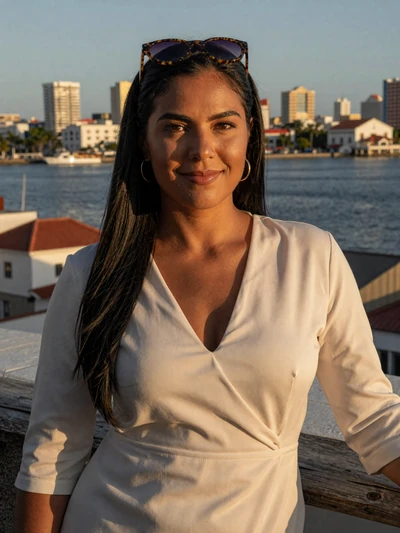
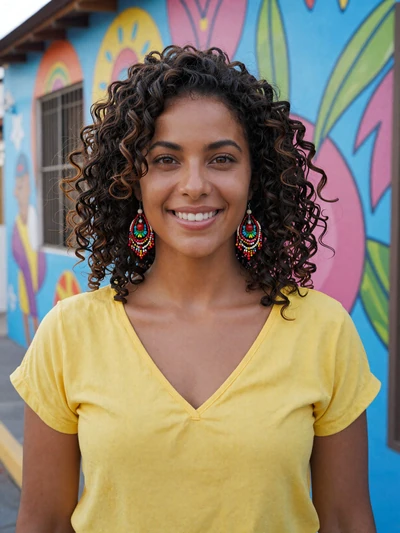
Discover additional verified profiles from across the Dutch Caribbean islands. Every woman is identity-verified and genuinely seeking a committed relationship.
Frequently Asked Questions About Dutch Antillean Women Dating
What is Papiamentu, and do Dutch Antillean women speak English?
Papiamentu (spelled Papiamento on Aruba) is the native Creole language of Curaçao, Aruba, and Bonaire, blending Portuguese, Spanish, Dutch, and African linguistic elements into a melodic, expressive tongue. Yes, the vast majority of Dutch Antillean women speak English - a 2025 University of Curaçao study found that 89% of women under 35 are functionally fluent in at least three languages, with English being the primary language of tourism, commerce, and international communication. On Sint Maarten, English is the primary language. Communication barriers are minimal compared to most other Latin American dating destinations.
What countries make up the Dutch Antilles?
The former Netherlands Antilles dissolved in 2010 but the islands remain within the Kingdom of the Netherlands. Curaçao, Aruba, and Sint Maarten are autonomous constituent countries within the Kingdom. Bonaire, Saba, and Sint Eustatius are special municipalities of the Netherlands (collectively called the BES islands). When people refer to "Dutch Antillean women," they typically mean women from Curaçao, Aruba, Bonaire, and Sint Maarten - the four largest and most populous Dutch Caribbean islands. All residents hold Dutch (European) nationality.
What is the best dating site to meet Dutch Antillean women in 2026?
Latin 312 Dating is the top-rated platform for meeting verified Dutch Antillean singles in 2026. With over 3,200 active profiles from Curaçao, Aruba, Bonaire, and Sint Maarten, transparent monthly pricing ($30-$35/month), built-in video chat, and translation tools covering Papiamentu, Dutch, English, and Spanish, it outperforms generic Caribbean dating apps. Free registration lets you browse profiles and send introductory messages before committing to a paid plan.
Is Curaçao safe for American visitors meeting a date?
Curaçao is considered one of the safest Caribbean islands for tourists. The U.S. State Department classifies it as Level 1 - "Exercise Normal Precautions" - the same safety level as major Western European countries (2025). Willemstad's tourist areas (Punda, Otrobanda, Pietermaai) are well-policed, walkable, and vibrant day and night. Standard travel precautions apply: avoid displaying expensive jewelry, use hotel safes, and stick to well-lit areas after dark. The island has modern healthcare facilities and widespread English communication among locals.
What is the difference between Aruba and Curaçao for dating?
Both islands are excellent for international dating but offer different experiences. Aruba is more tourism-oriented, with world-class beaches (Eagle Beach ranked #2 globally by TripAdvisor, 2025), resort infrastructure, and a livelier nightlife scene - ideal for beach-centered romantic dates. Curaçao offers deeper cultural immersion - UNESCO-listed Willemstad, a thriving art scene, more local authenticity, and lower tourist prices. Aruba's women tend to be more exposed to American culture due to higher U.S. tourist volume, while Curaçao's women often have stronger European (Dutch) cultural connections. Both islands share Papiamentu as their native language.
Do I need a visa to visit the ABC islands?
No. U.S. citizens can visit Curaçao, Aruba, Bonaire, and Sint Maarten without a visa for stays up to 90 days. You need a valid U.S. passport (valid for at least 6 months beyond your stay), proof of return flight, and proof of accommodation. No reciprocity fee is charged - unlike some South American countries. Direct flights from Miami take 2.5-3.5 hours, with round-trip fares starting at $250-$450 (Kayak, 2025). The U.S. dollar is widely accepted on all four islands alongside local currencies.
What cultural differences should I expect when dating a Dutch Antillean woman?
Key cultural differences include: (1) Multilingual communication: She may switch between Papiamentu, Dutch, English, and Spanish mid-conversation - this is normal and reflects cognitive fluency, not confusion. (2) Dutch directness: Antillean women inherited Dutch communicational honesty - expect clear, direct feedback about feelings and expectations. (3) Carnival as cultural identity: The annual Carnival season (January-March) is sacred - showing genuine interest and participation earns deep respect. (4) Family-centered socializing: Sunday family gatherings with keshi yená and funchi are non-negotiable - expect to be included and evaluated by the extended family. (5) European-Caribbean time: Professional punctuality coexists with relaxed social timing - be flexible.